
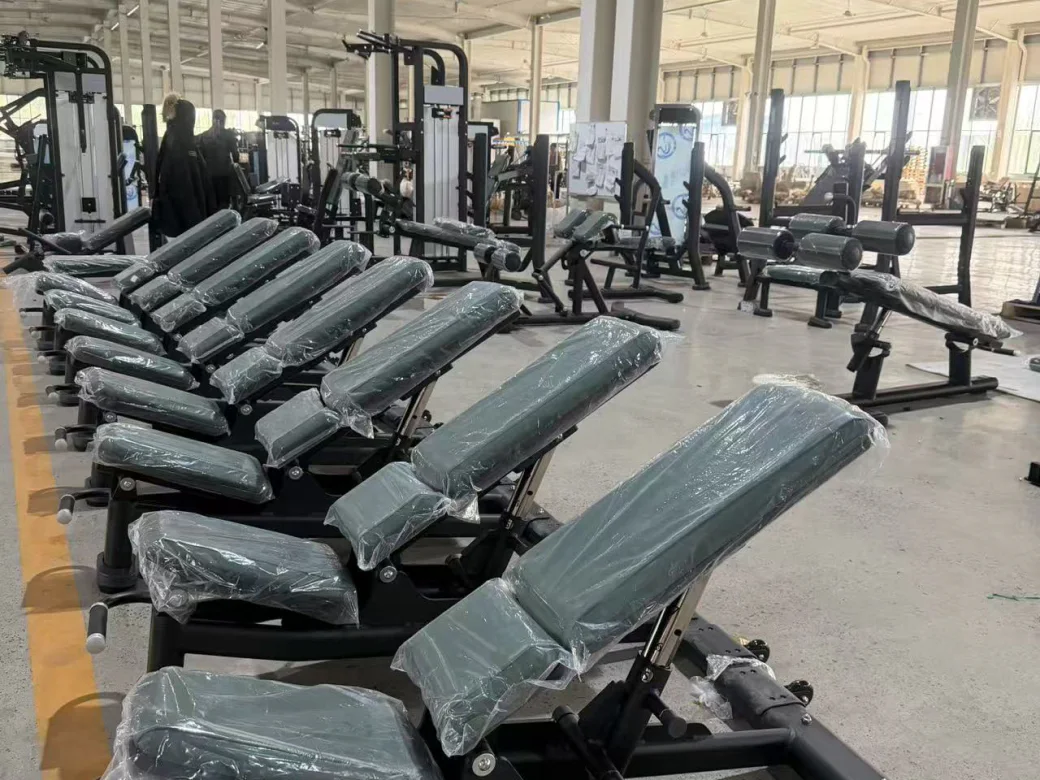
Customization should begin with a defined product and market requirement. TUSKS SPORT works with B2B buyers who need to align equipment appearance, identification, specifications or packaging with a gym project, distributor range or authorized brand. The purpose of this page is to show what information is needed before any custom option, sample, quantity or delivery commitment can be confirmed.
Customization starts with a base model
Provide the exact model or equipment category, intended quantity, destination market and target use. A request such as “make it in our brand” is not enough for a reliable evaluation. The project should identify the frame color, upholstery color, logo position, nameplate or label requirement, packaging preference and any specification that differs from the standard product.
Color references should use a recognized code or approved sample where possible. Logo files should be supplied as usable vector artwork. Packaging text, carton marks and manuals need the correct company name, model, destination and language. Electrical products require the target voltage, frequency and plug requirement to be confirmed before production.
What may be discussed
Depending on the selected model and order, the discussion can cover frame colors, upholstery, authorized logos, labels, packaging and certain product specifications. Availability is not assumed across every model. Each request must be checked against the selected equipment, quantity and manufacturing constraints.
For a complete facility, customization should be coordinated across the full equipment list. Repeating the same approved colors, logo sizes and label rules reduces inconsistency between cardio, strength and accessory items.
A practical approval workflow
- The buyer submits models, quantities, market requirements and design files.
- TUSKS SPORT reviews the request and identifies points that need technical or commercial confirmation.
- The parties confirm the customization scope in writing, including the approved visual or sample when applicable.
- Production follows the approved version rather than an informal chat reference.
- Inspection checks the finished identification, visible appearance, quantity and packing against the confirmed order documents.
MOQ, samples, tooling, lead time, fees and available changes depend on the product and project. They should be stated only in the project quotation or written confirmation, not copied from an unrelated order.
Brand and intellectual-property safety
The buyer must have the right to use every logo, trademark, label and packaging design supplied for the project. TUSKS SPORT should not reproduce another company's brand, model badge or protected artwork without authorization. An OEM request is a controlled business process, not permission to copy third-party equipment branding.
Keep customization connected to layout and delivery
Custom products still have to fit the facility and the shipping plan. Use Commercial Gym Layout Design when dimensions and zoning need to be checked, and Quality Control, Export Packing and Delivery Coordination when the order includes inspection, packing or combined shipment requirements.
The TK7-ZF6400 Fan Bike, TK7-ZF9000 Mirror Elliptical Trainer and TK43-5114 Leg Extension show the level of model identification that should be used in a customization inquiry. The models are examples only; customization availability must be confirmed separately.
Information to include in an OEM or ODM inquiry
Send the exact model or category, quantity, destination country, target use, color references, authorized logo file, packaging requirements, required compliance documents and expected schedule. If a specification is still undecided, mark it as open instead of guessing. A clear brief produces a more reliable feasibility review and quotation.